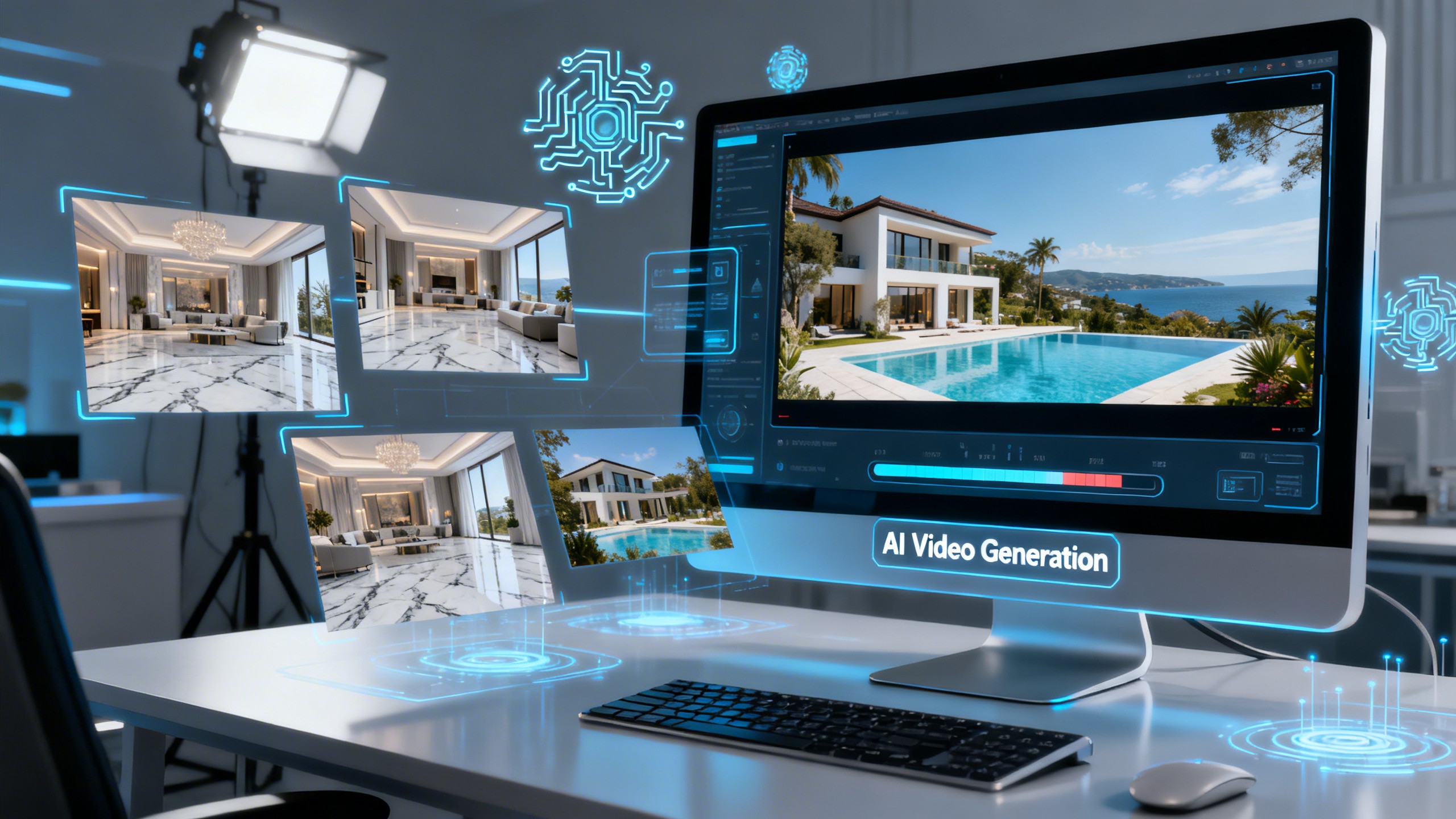
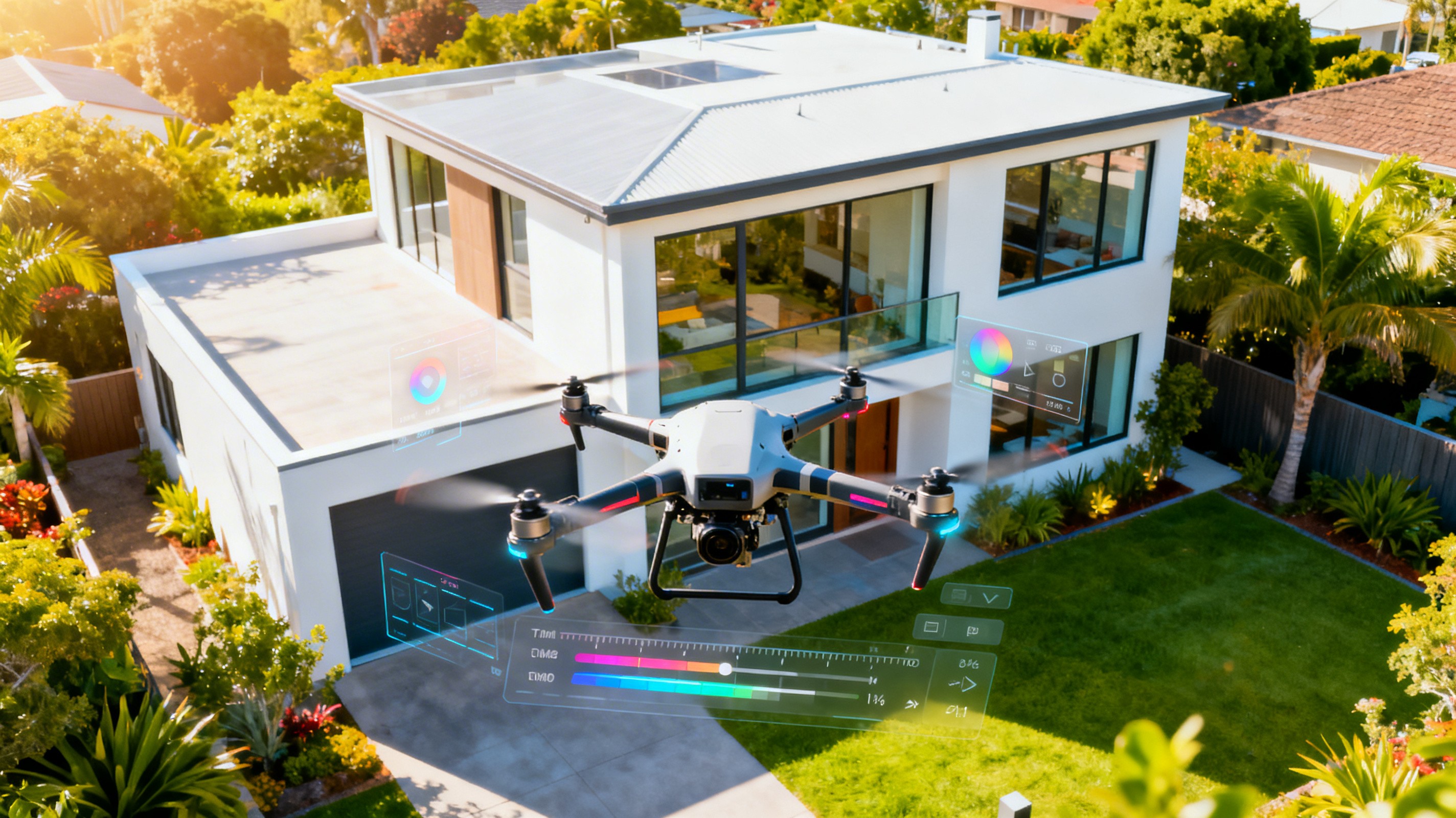
A deep dive into the benefits and drawbacks of virtual tours compared to traditional videos in real estate marketing.
Sophie
Featured
Exploring the Effectiveness of Virtual Tours vs. Traditional Videos in Real Estate Marketing
In today's digital landscape, real estate marketing has evolved significantly. Agents are increasingly faced with the choice between using virtual tours and traditional videos to showcase properties. Virtual tours offer immersive online experiences, while traditional videos provide a more conventional approach to storytelling. Understanding the effectiveness of each method is crucial for real estate agents aiming to engage clients effectively and close deals faster.
Summary
Virtual tours offer interactive, immersive experiences that engage potential buyers more deeply than traditional videos. However, each method has unique benefits and drawbacks. This article compares their effectiveness in real estate marketing for agents.
The Rise of Digital Marketing in Real Estate
The shift towards digital marketing in real estate is undeniable. As homebuyers increasingly rely on online resources, the need for engaging content has surged. Real estate agents must provide potential clients with high-quality, informative, and visually appealing materials. Two dominant formats have emerged in this space: virtual tours and traditional videos.
Virtual Tours Explained
Virtual tours allow users to explore a property at their own pace, often through a 360-degree view. These tours can be created using specialized software and allow potential buyers to experience a home remotely, offering a comprehensive view of the property layout and features.
Key Features of Virtual Tours:
360-Degree View: Allows full exploration of the space.
Interactivity: Users can navigate through different rooms and areas.
Integration: Often integrates with real estate platforms for easier access.
Accessibility: Viewers can tour homes from anywhere in the world.
Traditional Videos in Real Estate
Traditional videos typically showcase a property with a guided tour format. These videos can highlight key features and provide storytelling elements that engage viewers emotionally. They often include background music and narration to enhance the viewing experience.
Key Features of Traditional Videos:
Narrative Structure: Provides context and storytelling.
Visual Appeal: High-quality production can enhance property features.
Brand Personality: Helps convey the agent's brand and personality.
Emotional Engagement: Connects with viewers on a personal level.
Virtual Tours vs. Traditional Videos: A Comparative Analysis
To better understand the effectiveness of these two methods, we can analyze their strengths and weaknesses in a structured comparison.
Feature | Virtual Tours | Traditional Videos |
|---|---|---|
Interactivity | High - users explore at their own pace | Low - guided experience |
Production Time | Moderate - requires software | High - requires filming/editing |
Engagement Level | High - immersive experience | Moderate - passive viewing |
Accessibility | High - global reach | Moderate - online video platforms |
Cost | Variable - depends on software | Variable - filming costs |
Personal Touch | Low - lacks personal interaction | High - can build agent rapport |
Which Method Works Best?
The choice between virtual tours and traditional videos ultimately depends on the target audience's preferences and the specific property being marketed. Here are some scenarios to consider:
For High-End Properties: Virtual tours can provide an immersive experience that showcases luxury features, making them ideal for high-end listings.
For Storytelling: Traditional videos work well for creating an emotional connection, especially for homes with unique stories or histories.
For Quick Listings: When time is of the essence, a traditional video can be produced faster than a virtual tour, allowing for quicker marketing turnaround.
For Remote Buyers: Virtual tours are essential when marketing to remote buyers who may not be able to visit the property in person.
Key Takeaways
Virtual tours provide an immersive, interactive experience.
Traditional videos are effective for storytelling and emotional engagement.
The choice depends on the property type and client needs.
Each method has its own production time and cost considerations.
Combining both methods can maximize marketing impact.
Virtual tours can enhance remote engagement for potential buyers.
Understanding your audience is crucial for choosing the right format.
Frequently Asked Questions (FAQs)
1. Are virtual tours more effective than traditional videos for real estate marketing?
While both have their advantages, virtual tours tend to engage users more deeply due to their interactive nature. Traditional videos can be more effective for storytelling and emotional connection.
2. How much does it cost to create a virtual tour?
The cost can vary significantly based on the software used and the complexity of the tour. Basic tours can start around a few hundred dollars, while advanced options may cost more.
3. Can I use both virtual tours and traditional videos in my marketing strategy?
Yes, using both formats can provide a comprehensive marketing approach, appealing to a broader audience and enhancing engagement.
4. How do I decide which format to use for my listing?
Consider the property's features, your target audience, and the time available for production. High-end or unique properties may benefit more from virtual tours, while traditional videos can enhance storytelling.
5. What tools are available for creating virtual tours?
There are several tools available, including Matterport, Kuula, and Zillow 3D Home, each offering unique features to create engaging virtual tours.
In conclusion, both virtual tours and traditional videos offer valuable tools for real estate marketing, each with its benefits and drawbacks. By understanding the unique strengths of each format, real estate agents can effectively engage their clients and enhance their marketing strategies.
Relevant posts