Explore the pros and cons of real estate videography and photography to determine which is more effective for marketing properties.

Sophie
Featured
In the competitive world of real estate marketing, agents are constantly seeking innovative ways to showcase properties and attract potential buyers. One of the most pressing questions they face is whether to invest in real estate videography or photography. Both mediums have their unique advantages and can significantly impact a buyer's perception, but understanding which is better for your marketing strategy is crucial.
Summary: Real estate videography offers dynamic storytelling capabilities, while photography provides high-quality still images. Choosing between them depends on your marketing goals and audience engagement strategies.
Understanding Real Estate Videography and Photography
What is Real Estate Videography?
Real estate videography involves creating video content that showcases a property, often featuring dynamic shots of the interior and exterior spaces. Videos can include voiceovers, music, and even drone footage to provide a comprehensive view of the property and its surroundings. This medium allows potential buyers to virtually walk through the home, experiencing the layout and flow in a way that photos alone cannot convey.
What is Real Estate Photography?
Real estate photography focuses on capturing high-resolution images of properties. Professional photographers utilize lighting, angles, and staging to highlight the best features of a home. These images are typically used in listings, brochures, and social media. While still images effectively showcase details and aesthetics, they lack the immersive quality of video.
Comparing Real Estate Videography and Photography
To help you decide between these two marketing strategies, we’ve outlined their key differences in the following comparison table:
Feature | Real Estate Videography | Real Estate Photography |
|---|---|---|
Engagement Level | High; more engaging and memorable | Moderate; visually appealing but static |
Cost | Generally higher due to production costs | Lower; less expensive to produce |
Time to Produce | Longer; requires editing and planning | Shorter; quicker turnaround |
Social Media Impact | Excellent; often shared and re-shared | Good; can attract likes and shares |
Buyer Experience | Immersive; captures the flow of space | Limited; focused on specific features |
SEO Benefits | Higher potential for video rankings | Strong for image searches |
Advantages of Real Estate Videography
Dynamic Storytelling: Videos can convey emotions and create a narrative around the property, making it easier for buyers to envision living there.
Increased Engagement: According to studies, videos generally receive higher engagement rates on social media, leading to greater visibility.
Versatile Use: Videography can be repurposed for various platforms, including websites, YouTube, and social media, maximizing reach.
Advantages of Real Estate Photography
Cost-Effective: Photography typically requires less investment than videography, making it a more accessible option for agents on a budget.
Quick Turnaround: Real estate photos can be edited and published quickly, allowing agents to market properties as soon as they are listed.
High-Quality Imagery: Professional photographers can produce stunning images that highlight the aesthetics of a property, which is essential for listings.
Key Takeaways
Engagement: Videography tends to engage viewers more effectively than photography.
Cost: Photography is generally more budget-friendly than videography.
Production Time: Videography takes longer to produce due to editing and planning.
Versatility: Videos can be used across multiple platforms for broader reach.
Experience: Videos provide a more immersive experience than static images.
SEO Benefits: Both mediums have unique SEO advantages that can help increase visibility.
Market Trends: Understanding current trends in real estate marketing can guide your decision.
Frequently Asked Questions
1. Is videography worth the investment?
Yes, investing in videography can lead to higher engagement and interest in your listings, potentially resulting in quicker sales and higher offers.
2. How can I effectively use both videography and photography?
Utilize photography for initial listings and create videos for open houses or special promotions to generate buzz and attract more buyers.
3. What are the best practices for creating real estate videos?
Focus on quality, keep videos concise, highlight unique features, and optimize for social media sharing to maximize reach.
4. Can I use my smartphone for real estate photography and videography?
While smartphones can capture decent images and videos, investing in professional equipment and skilled professionals will yield significantly better results.
5. How can BetterSpace help with my real estate marketing?
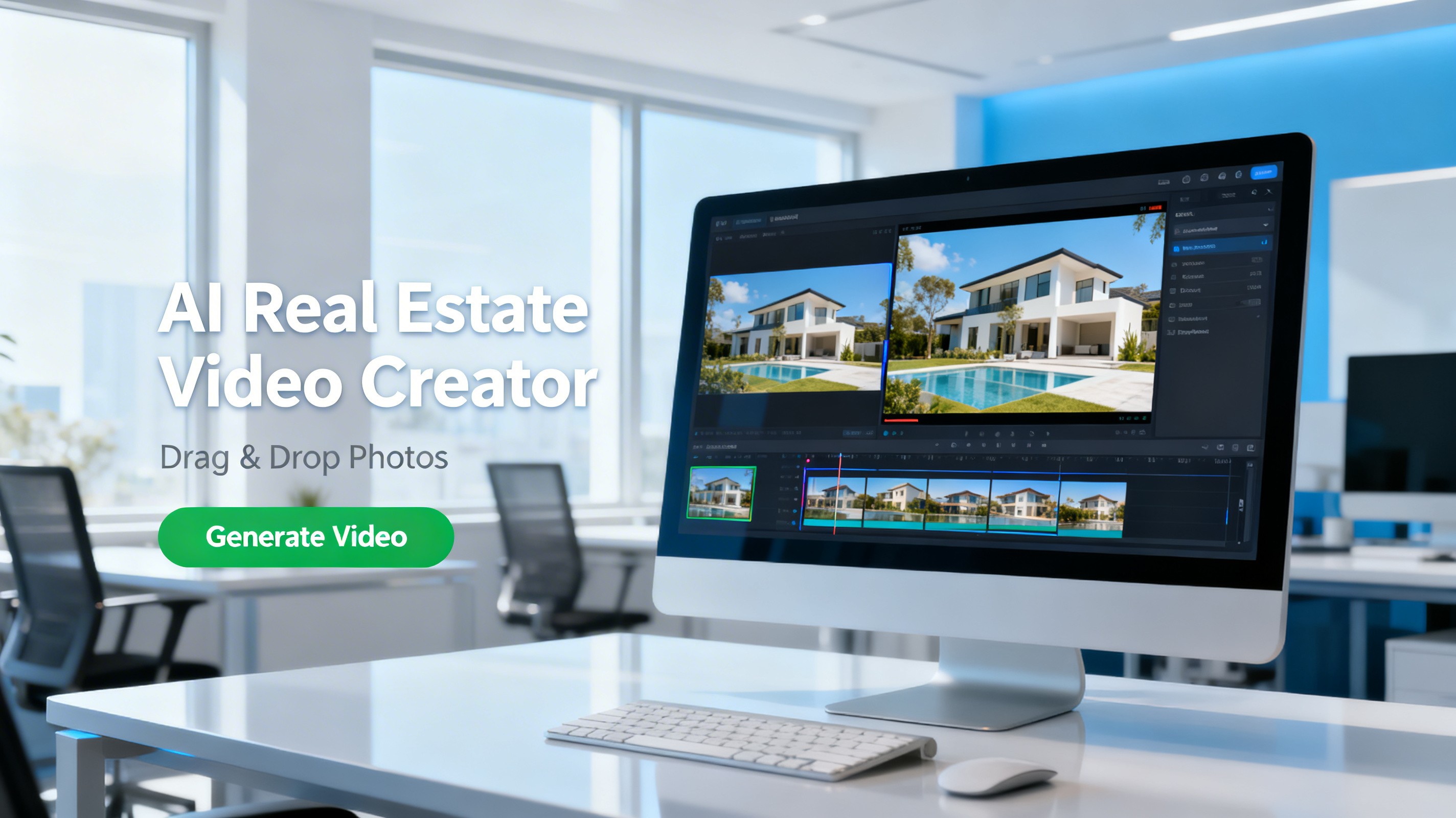
BetterSpace transforms static real estate photos into high-impact, engaging videos, providing a unique solution to enhance your property marketing efforts.
In conclusion, whether you choose real estate videography or photography largely depends on your marketing strategy, budget, and the specific needs of your property listings. Understanding the strengths and weaknesses of each medium allows you to make informed decisions that can elevate your marketing game and resonate with potential buyers.