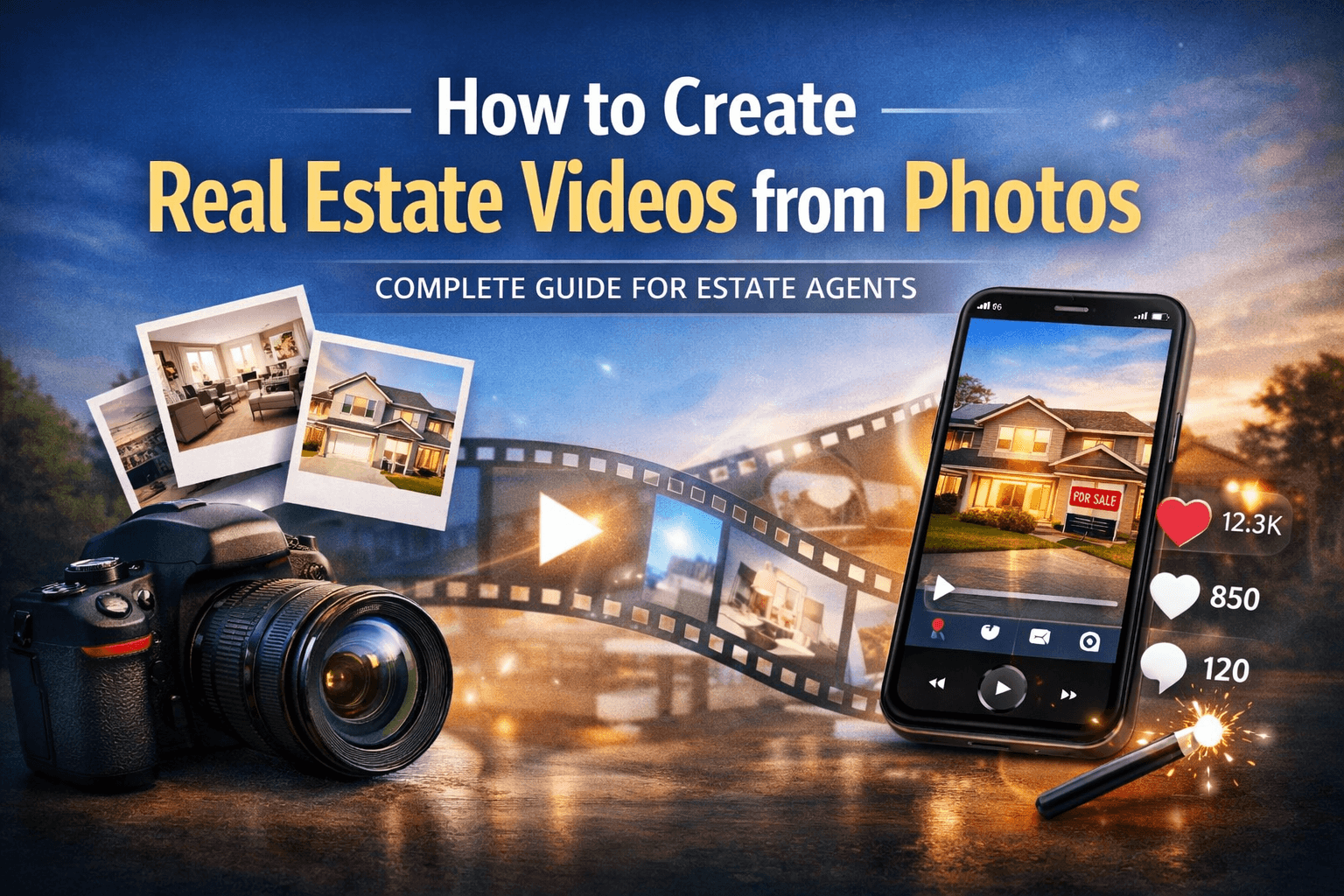
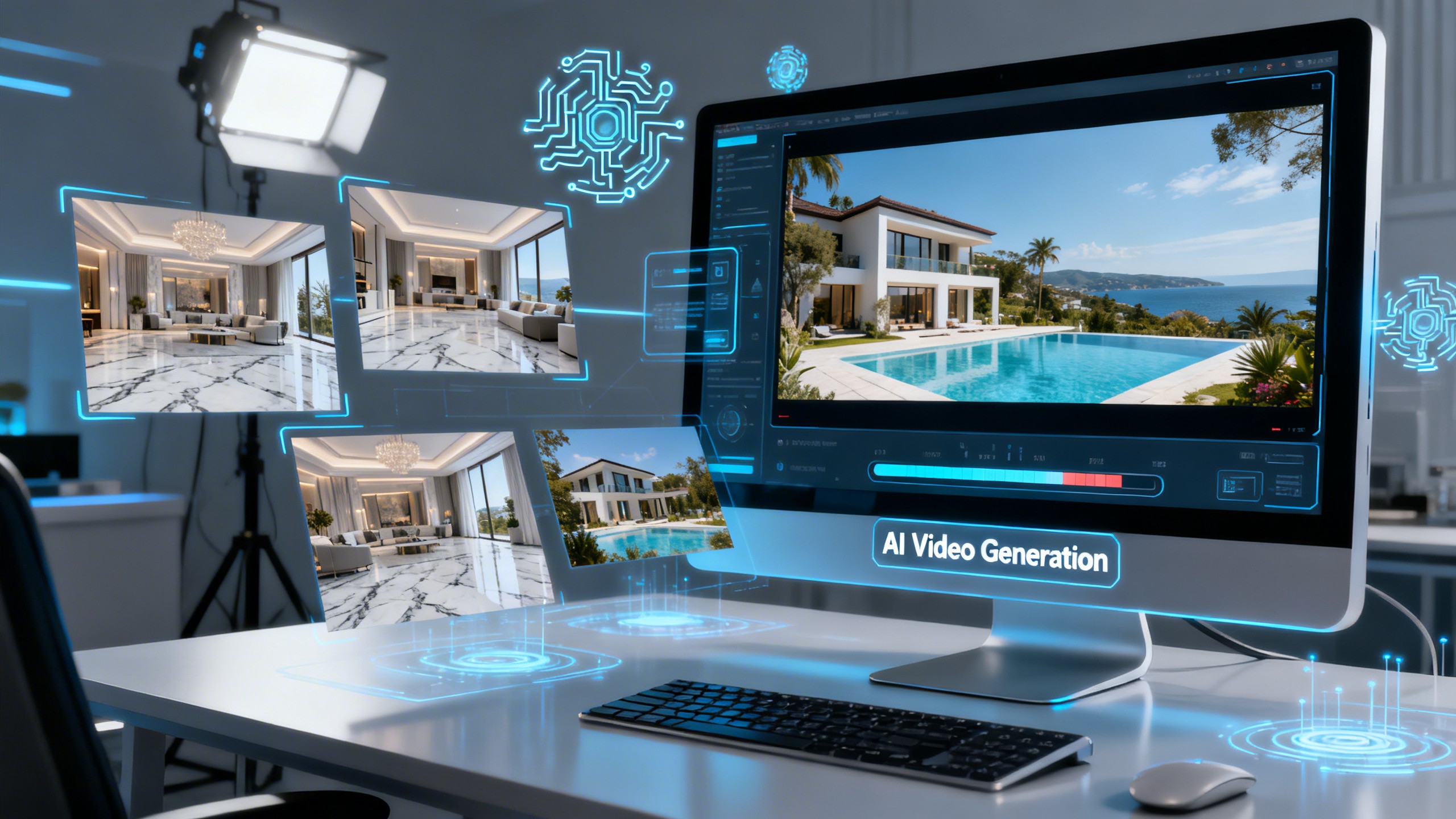
Discover how virtual staging can enhance your home-selling strategy for faster sales.
Sophie
Featured
Introduction
In the competitive world of real estate, standing out is crucial for selling homes quickly. Virtual staging offers a dynamic solution, allowing sellers to showcase properties with appealing designs that attract potential buyers. This technology transforms empty or outdated spaces into inviting environments, making it easier for buyers to envision themselves living in the home. With the right approach, virtual staging can significantly shorten the time a home sits on the market.
Direct Answer: Virtual staging is a cost-effective solution that enhances property photos, making homes more attractive to buyers, leading to quicker sales.
What is Virtual Staging?
Virtual staging involves using digital technology to furnish and decorate a home in photographs. Unlike traditional staging, which requires physical furniture and decor, virtual staging provides a flexible and efficient way to present a property. This technique not only improves the visual appeal of listings but also allows potential buyers to see the home’s potential without the clutter of previous owners’ belongings.
The Benefits of Virtual Staging for Selling Homes
Cost-Effectiveness: Traditional staging can be expensive, requiring rental costs for furniture and decor. Virtual staging is typically a fraction of that cost.
Time Efficiency: Physical staging can take days or weeks. Virtual staging can be completed in a matter of hours.
Broader Reach: High-quality virtual images can be used across various platforms, including online listings and social media, enhancing marketing efforts.
Flexibility: Sellers can quickly update images to reflect different styles or target different demographics.
How to Implement Virtual Staging
Step 1: Choose the Right Service
Select a reputable virtual staging company like BetterSpace.ai that specializes in transforming real estate photos into engaging visuals. Look for portfolios that showcase their work and verify customer reviews.
Step 2: Prepare Your Space
To effectively stage your home virtually, ensure that the photos taken are high quality. Clear clutter, and consider cleaning up the space to create a blank canvas for the virtual staging process.
Step 3: Select Your Style
Discuss with your virtual staging provider the style that best fits your target market. Popular styles include:
Modern Minimalism: Clean lines and neutral colors appeal to younger buyers.
Traditional Comfort: Warm colors and cozy furnishings attract families.
Luxury Living: Sophisticated decor can appeal to high-end buyers.
Step 4: Review and Adjust
After the initial staging is completed, review the images. Ensure the furniture and decor align with the intended market. Adjustments can be made quickly to optimize the appeal.
Best Practices for Virtual Staging
Use High-Quality Images: Starting with high-resolution photos enhances the final product.
Highlight Key Areas: Focus on important spaces such as living rooms, kitchens, and master bedrooms.
Avoid Over-Staging: Keep the decor stylish yet minimal to avoid overwhelming potential buyers.
Showcase Different Angles: Provide multiple views of each room to give a comprehensive perspective of the home.
Virtual Staging vs. Traditional Staging
Aspect | Virtual Staging | Traditional Staging |
|---|---|---|
Cost | Lower | Higher |
Time to Complete | Hours | Days/Weeks |
Flexibility | High | Low |
Physical Presence | None | Required |
Marketing Reach | Digital | Limited to physical viewing |
Key Takeaways
Virtual staging is an innovative way to enhance property appeal without the high costs of traditional staging.
High-quality images are essential for effective virtual staging.
Choosing the right style can significantly influence buyer interest.
Regularly updating staged images can keep listings fresh and appealing.
Virtual staging should complement, not replace, good photography practices.
FAQ
1. How much does virtual staging cost?
Virtual staging typically costs between $30 to $200 per image, depending on the complexity and the service provider.
2. Can virtual staging be used for all types of homes?
Yes, virtual staging can be applied to any residential property, whether it is vacant or furnished.
3. How do buyers respond to virtually staged homes?
Buyers often respond positively as virtual staging helps them visualize the potential of a space, making it more appealing.
4. Is virtual staging legal?
Yes, virtual staging is legal as long as it is disclosed to potential buyers that the images have been digitally altered.
5. How can I ensure my virtually staged home sells faster?
Combine virtual staging with effective marketing strategies, including social media promotion and professional photography, to reach a broader audience.
Relevant posts