How Virtual Staging Works: A Step-by-Step Breakdown for Real Estate Professionals
How virtual staging works: a 7-step breakdown from photo upload to finished staged image. Covers AI vs manual staging, software comparison, and what to expect from each provider.
· Sophie
How TosFor a full overview of what virtual staging is and why agents use it, see our complete guide to virtual staging.
How Virtual Staging Works: A Step-by-Step Breakdown for Real Estate Professionals
In the competitive world of real estate, presenting a property in its best light is crucial. Virtual staging has emerged as a powerful tool that allows real estate professionals to enhance property images, making them more appealing to potential buyers. This guide will walk you through the process of virtual staging, its benefits, and how it can transform your marketing strategy.
What is Virtual Staging?
Virtual staging is a digital process that involves adding furniture, decor, and other enhancements to photographs of empty or unfurnished properties. By using specialized software, real estate agents can create visually appealing images that help buyers visualize the potential of a space. This technique is not only cost-effective but also allows for greater flexibility in showcasing different design styles.
Summary of How Virtual Staging Works
Virtual staging involves using digital tools to enhance real estate photographs by adding furniture and decor. This process helps showcase properties in a more appealing way, attracting potential buyers and improving sales outcomes.
The Benefits of Virtual Staging
Virtual staging offers numerous advantages for real estate professionals:
- Cost-Effective: Compared to traditional staging, which involves physical furniture and decor, virtual staging is significantly cheaper.
- Flexibility: Agents can showcase various styles and configurations without the logistical challenges of moving physical furniture.
- Faster Turnaround: Digital enhancements can be completed quickly, allowing for prompt marketing of properties.
- Increased Engagement: Professionally staged images tend to attract more views online, leading to higher interest in listings.
- Enhanced Visualization: Virtual staging helps buyers imagine themselves in the space, making emotional connections that can drive sales.
How Virtual Staging Works: Step-by-Step Breakdown
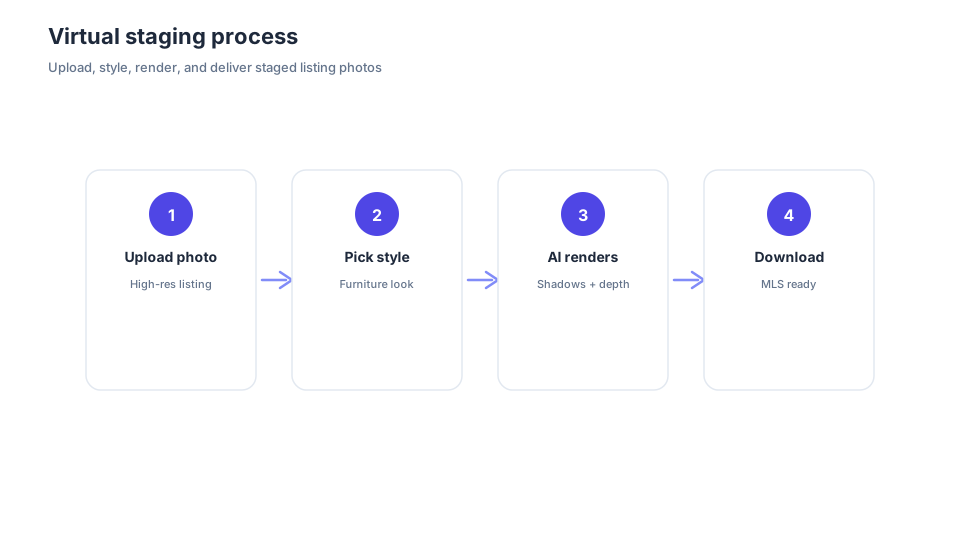
To fully understand how virtual staging works, let’s break down the process into clear steps:
Step 1: Initial Photography
- Capture High-Quality Images: Start with high-resolution photographs of the property. Ensure good lighting and capture multiple angles to provide a comprehensive view of each room.
Step 2: Choose Your Virtual Staging Software
- Select from various virtual staging tools available, such as BetterSpace, Virtual Staging Solutions, or BoxBrownie. These platforms offer user-friendly interfaces and a wide range of furniture and decor options.
Step 3: Upload Photos to the Software
- Upload your chosen images into the virtual staging software. Most tools allow for easy drag-and-drop functionality to streamline the process.
Step 4: Select Furniture and Decor
- Browse through the platform’s catalog and choose suitable furniture and decor items that complement the property’s features. Consider the target demographic when making selections.
Step 5: Arrange the Layout
- Arrange the selected items within the digital space. Adjust the scale and orientation to ensure a realistic appearance. Pay attention to balance and flow to create an inviting environment.
Step 6: Final Touches
- Make any necessary adjustments for lighting, shadows, and colors to enhance realism. This step is crucial for creating an image that feels lifelike and engaging.
Step 7: Export and Share
- Once satisfied with the staging, export the final images in high resolution. Share these images across marketing channels, including MLS listings, social media, and websites.
Comparison: Virtual Staging vs. Traditional Staging
| Feature | Virtual Staging | Traditional Staging |
|---|---|---|
| Cost | Low | High |
| Time Required | Quick | Time-Consuming |
| Flexibility | High | Limited |
| Physical Changes Required | None | Yes |
| Storage and Transportation | Not Required | Required |
| Customization Options | Extensive | Limited |
Key Takeaways
- Virtual staging is a cost-effective solution for enhancing property images.
- The process involves photography, software selection, and digital enhancements.
- It provides flexibility and quick turnaround times compared to traditional staging.
- Properly staged images can significantly increase interest and engagement from potential buyers.
- The choice of furniture and decor should align with the target market to maximize appeal.
Frequently Asked Questions (FAQs)
1. How much does virtual staging cost compared to traditional staging?
Virtual staging costs a fraction of traditional staging. AI-powered tools run around $5 per image for standalone services; BetterSpace’s subscription model brings that to under $1 per image at normal listing volumes. Manual outsourced services cost $24–$65 per image for higher quality control on complex spaces.
2. Can virtual staging be used for any type of property?
Yes, virtual staging can be applied to various property types, including residential homes, apartments, and commercial spaces. It’s a versatile tool that can adapt to different markets and buyer preferences.
3. Are the images produced by virtual staging realistic?
When done correctly, virtual staging images can be extremely realistic, showcasing the property in a way that highlights its potential. High-quality software and skilled designers contribute to the overall authenticity of the images.
4. How long does it take to stage a property virtually?
The virtual staging process can be completed within a few hours to a couple of days, depending on the complexity of the project and the number of images to be staged. This quick turnaround allows for timely marketing of properties.
5. Will virtual staging help sell a property faster?
Yes, properties that are virtually staged often sell faster than those that are not. Staged images tend to attract more attention online, leading to increased inquiries and showings.
Conclusion
In summary, understanding how virtual staging works is essential for real estate professionals looking to enhance their marketing strategies. By leveraging digital tools, agents can create stunning visuals that resonate with potential buyers, making properties more appealing and increasing the likelihood of a sale. Embracing virtual staging can position real estate professionals as innovative and forward-thinking in a competitive market.
For more insights on virtual staging and how BetterSpace can assist you in transforming your property images, visit our website.
Related reading
Frequently asked questions
-
How much does virtual staging cost compared to traditional staging?
AI virtual staging costs around $5 per image for standalone tools. BetterSpace includes virtual staging in its listing video subscription from $19/month, working out to under $1/image at typical volumes. Manual outsourced services charge $24–$65 per image. Traditional staging involves renting and moving physical furniture and costs $2,500–$6,000 for a typical 3-bedroom home. -
Can virtual staging be used for any type of property?
Yes, virtual staging can be applied to various property types, including residential homes, apartments, and commercial spaces. It is most effective for vacant or sparsely furnished properties where rooms look empty in listing photos. -
Are the images produced by virtual staging realistic?
When done correctly, virtual staging images can be extremely realistic. AI-powered tools like BetterSpace and manual services like BoxBrownie both produce high-quality results. Disclosure to buyers that images are virtually staged is required by most MLS rules. -
How long does it take to stage a property virtually?
AI virtual staging (BetterSpace) delivers results within minutes after photo upload. Manual virtual staging services like BoxBrownie take 24–72 hours per image. Both are significantly faster than physical staging, which requires scheduling, delivery, and setup time. -
Will virtual staging help sell a property faster?
Yes. Properties with virtually staged photos attract more online engagement and showings than listings with empty rooms. Staged listings sell approximately 73% faster than unstaged vacant properties, and virtual staging delivers comparable online engagement to physical staging.